10 Spectrum Friendly Places to Take Your Sensory Sensitive Kids | Mum’s the Word MelbourneSkip to main content
Melbourne calm
10 Spectrum Friendly Places to Take Your Sensory Sensitive Kids
Not perfect. Not silent. Just forgiving. Places where movement is allowed, leaving early is okay, and you are not performing motherhood in public.
Spectrum friendly does not mean silent or perfect. It means forgiving. Leaving early is okay. Movement is allowed. There is no pressure to behave. Those are the places that matter.
1. Royal Botanic Gardens
Nature reset
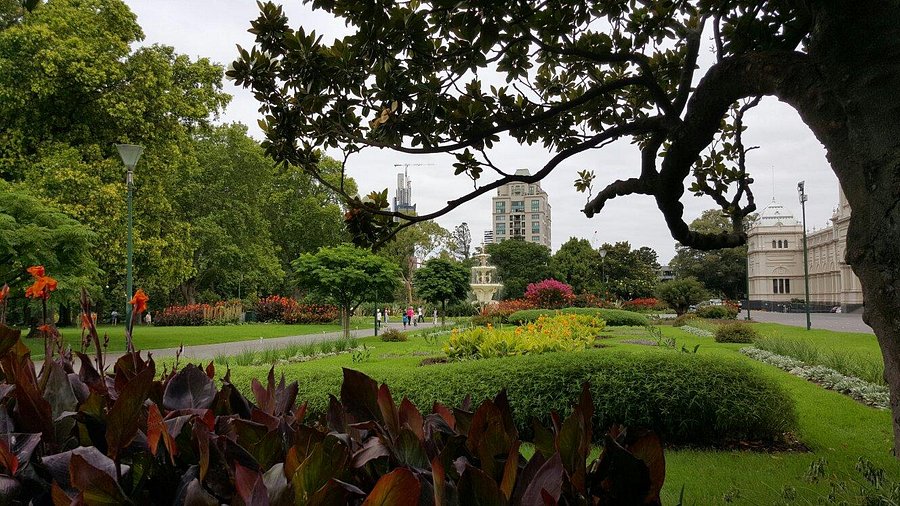
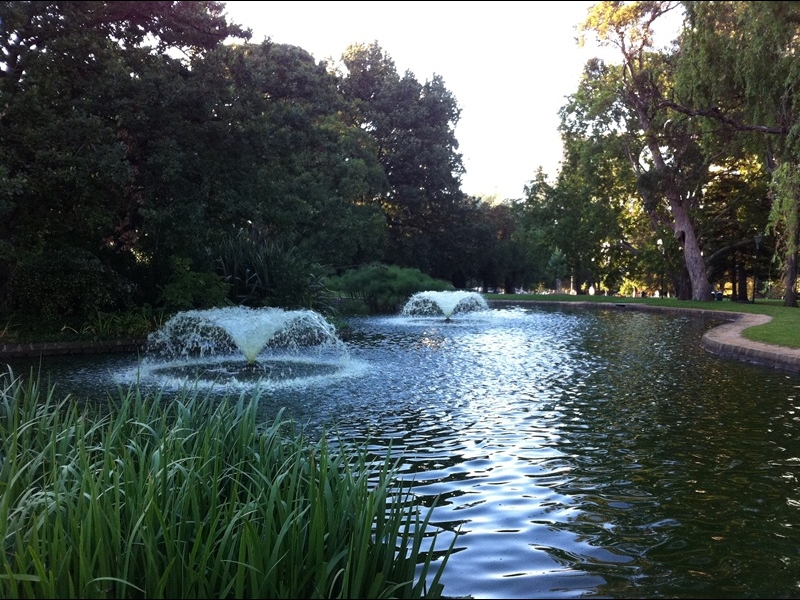
Wide open spaces, gentle sounds, and plenty of quiet corners. Early mornings are especially calm. The Fern Gully offers dappled shade and sensory-friendly natural white noise from the fountain.
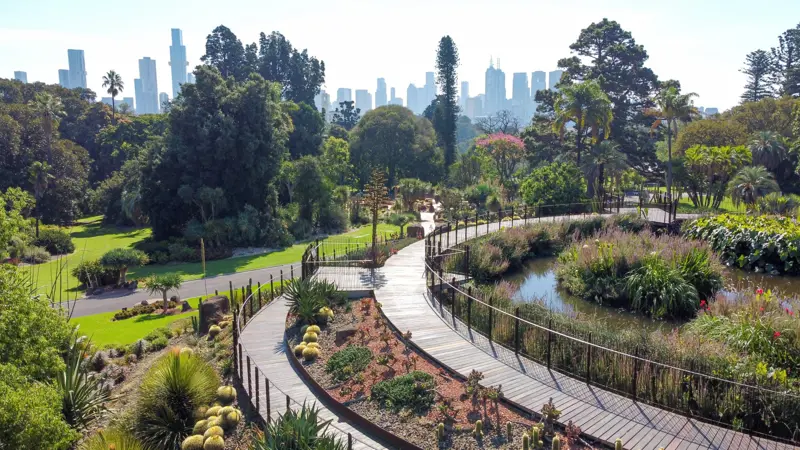
Why it works: Predictable environment, minimal artificial noise, no pressure to engage. The wide paths accommodate prams and wandering without constant stop-start navigation.
Photos
Best time
Early morning (8-10am) is the calmest. Weekdays beat weekends.
Sensory fit
Natural soundscapes, open movement spaces, grounding sensory input from nature.
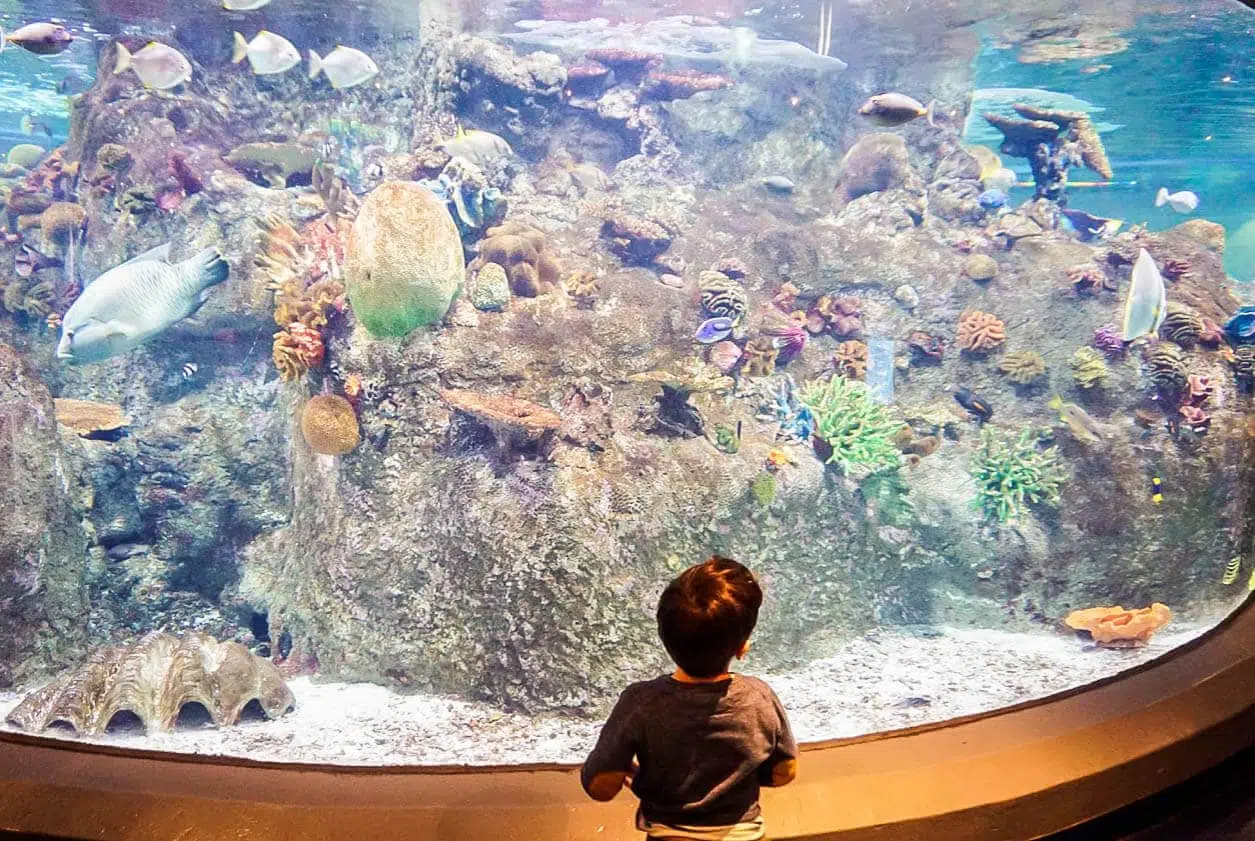
The 2.2 million litre Oceanarium tunnel provides natural sensory regulation through slow-moving visuals and blue light therapy. The Rockpool touch area allows controlled tactile exploration.

Why it works: Predictable, slow-moving visual stimuli. The underwater environment naturally lowers arousal levels. Quiet zones available between exhibits.
Photos
Best time
First entry at 9:30am or after 3pm. Avoid school holidays.
Sensory fit
Visual regulation, blue light calming, controlled tactile experiences.
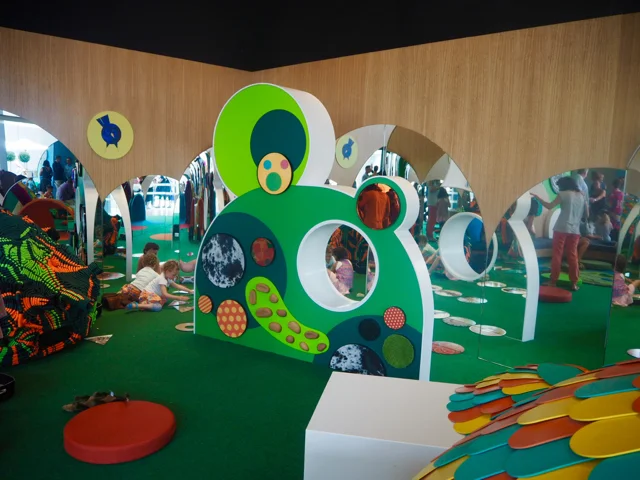
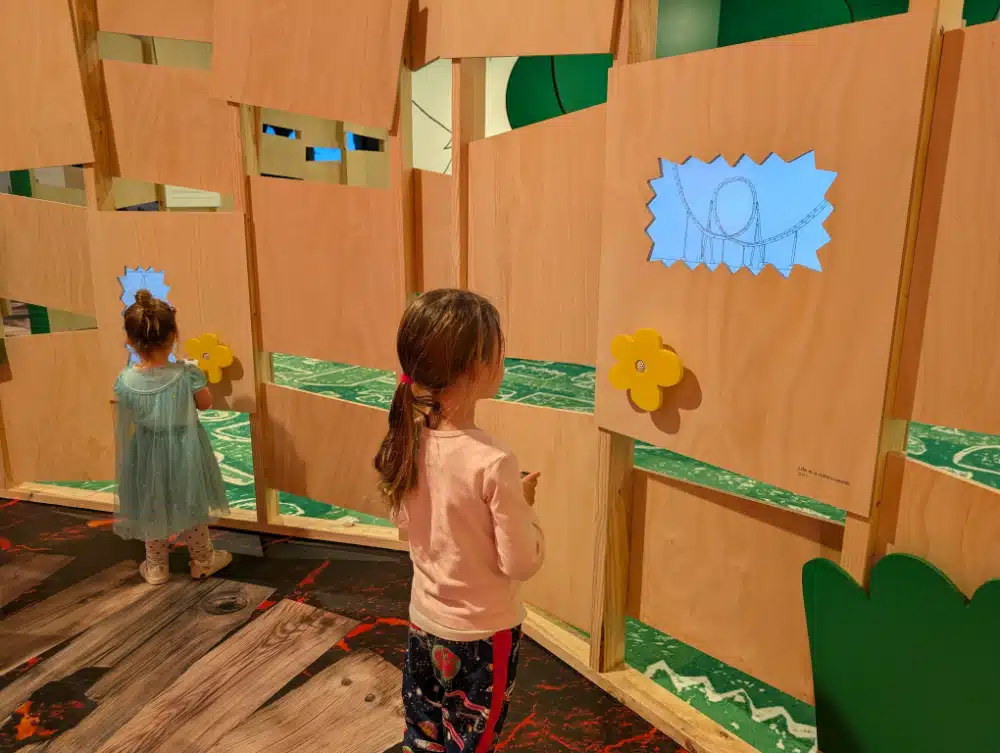
The Pauline Gandel Children’s Gallery is purpose-built for under-5s with quiet nooks and predictable layouts. The Forest Gallery offers a literal indoor forest with bird sounds and filtered natural light.
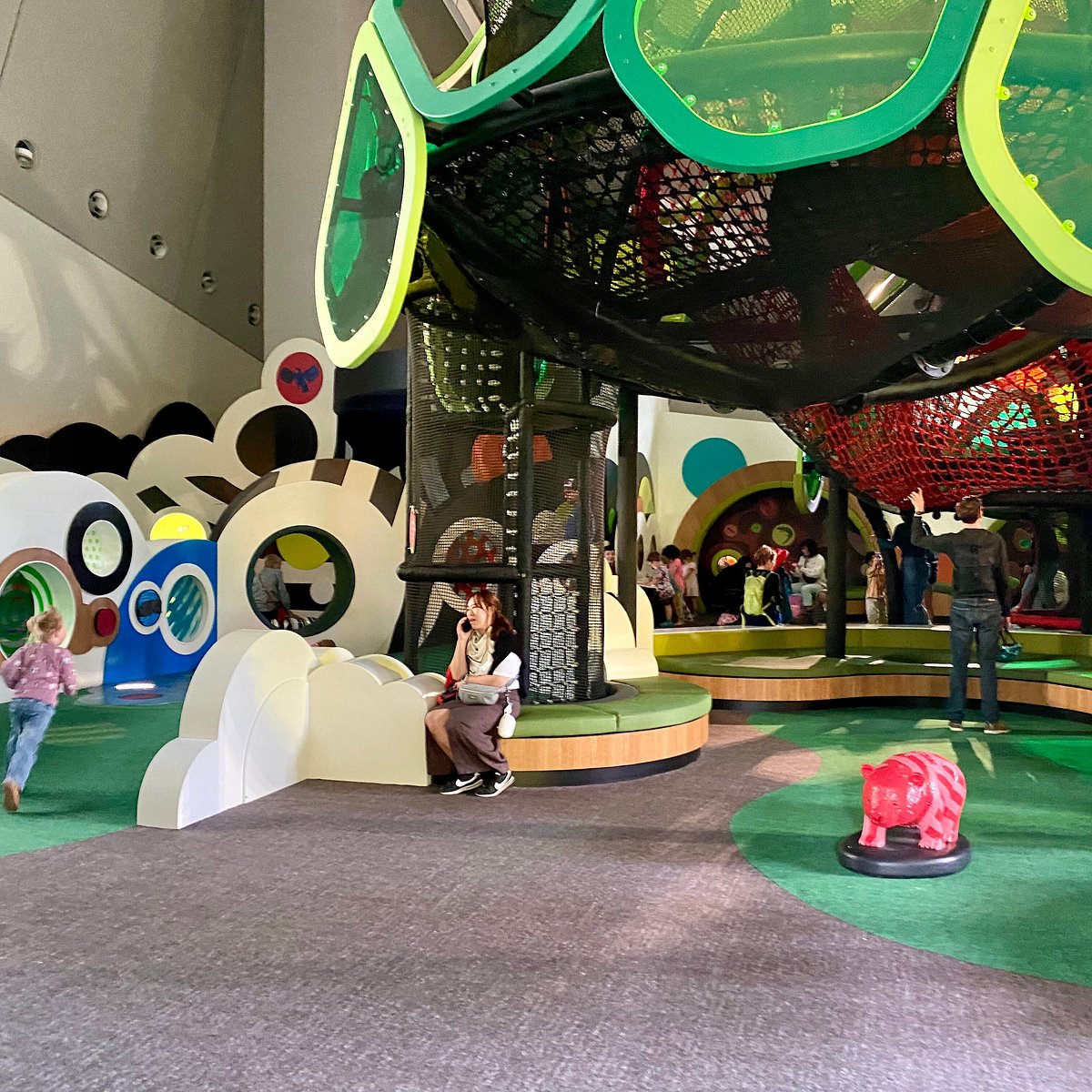
Why it works: Multiple quiet retreat spaces within a larger venue. The Children’s Gallery has controlled entry limiting overwhelming crowds.
Photos
Best time
Weekday mornings. The Children’s Gallery has timed entry to manage capacity.
Sensory fit
Structured play spaces, natural soundscapes in Forest Gallery, quiet retreat zones.
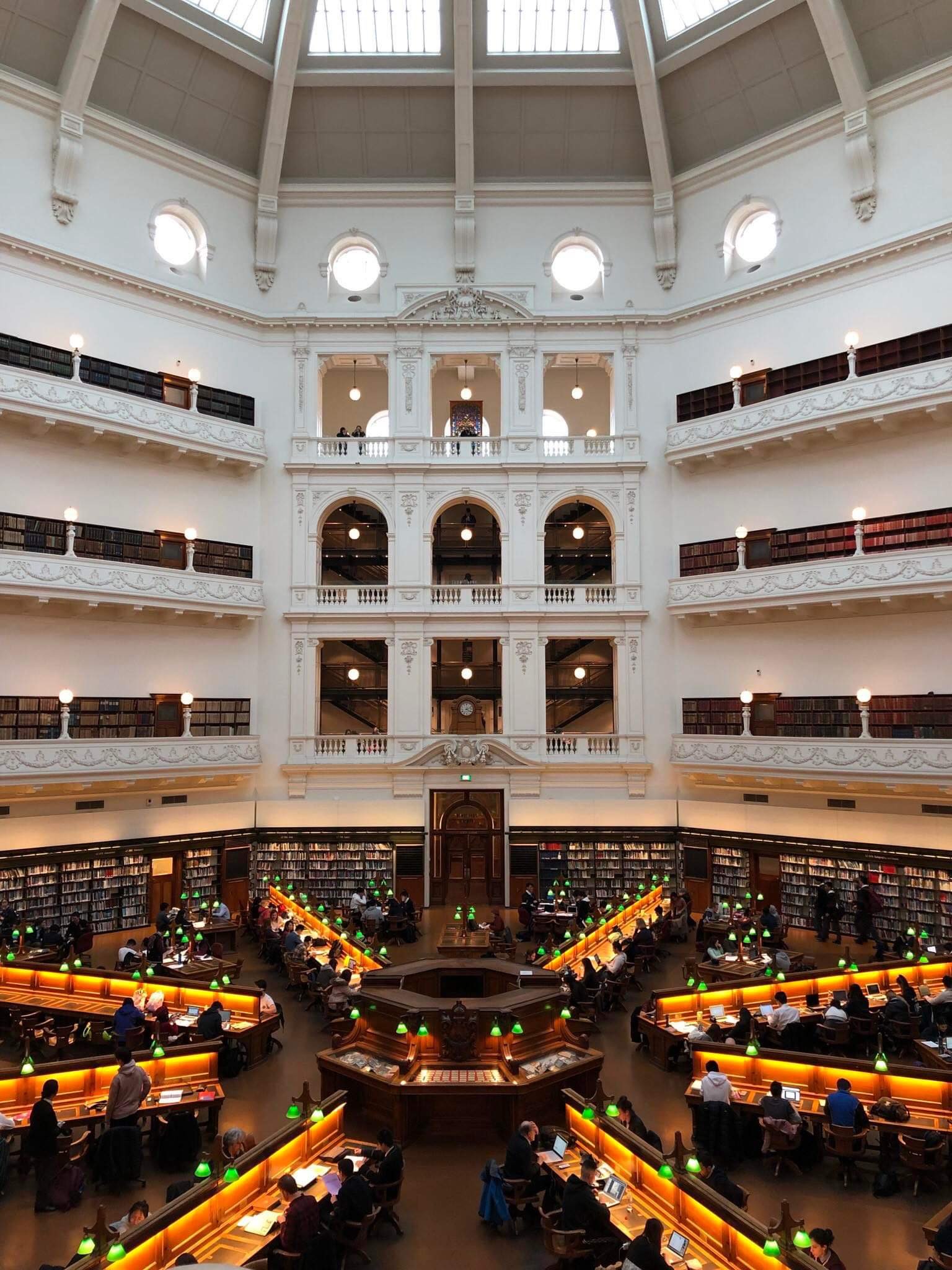
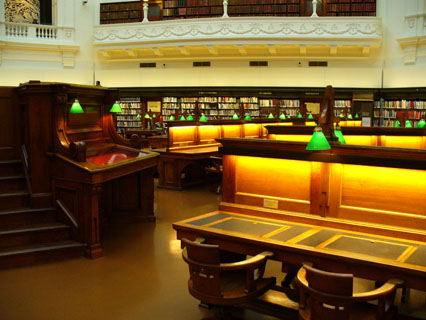
The iconic La Trobe Reading Room offers one of Melbourne’s most acoustically controlled public spaces. The domed ceiling creates natural sound dampening. The Children’s Quarter provides dedicated family space.

Why it works: Cultural reverence for silence. The octagonal reading room design naturally discourages loud behaviour. Free entry means no financial pressure to “get your money’s worth.”
Photos
Best time
Weekday afternoons. Avoid exam periods when students fill the desks.
Sensory fit
Acoustic dampening, natural light, cultural quiet expectations.
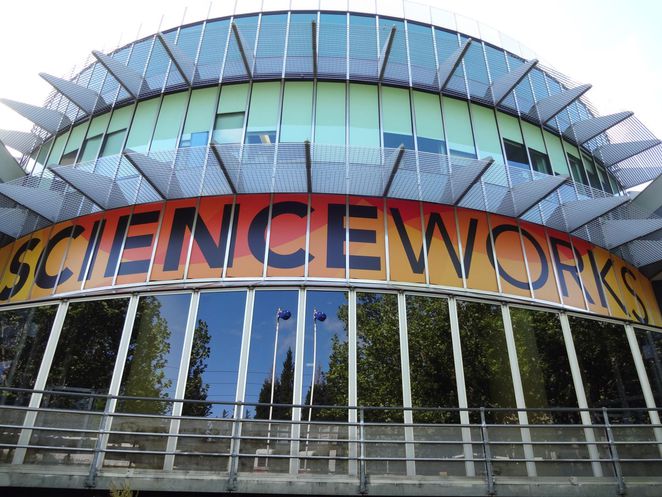
The Nitty Gritty Super City exhibit for 2-5 year-olds has lower lighting and softer soundscapes than the main museum. The Planetarium offers predictable, seated sensory experiences in the dark.
Why it works: Active participation reduces anxiety about behaviour. The industrial Spotswood location means fewer casual visitors, more intentional families.
Photos
Best time
Weekday mornings. The Planetarium has specific relaxed performances.
Sensory fit
Active engagement, predictable Planetarium environment, dedicated toddler zone.
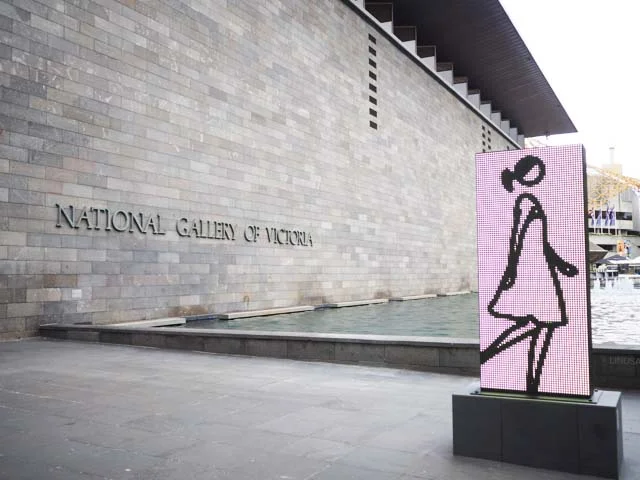
The Water Wall entrance provides natural white noise. The Great Hall with its stunning stained-glass ceiling creates a naturally calming chromatic environment. The gallery spaces are predictably quiet.
Why it works: Cultural spaces that expect contemplative behaviour. The Water Wall provides sensory regulation through sound and visual tracking. Free entry removes pressure.
Photos
Best time
Weekday mornings. Tuesday-Thursday are quietest.
Sensory fit
Water sounds for regulation, natural light through stained glass, quiet cultural space.
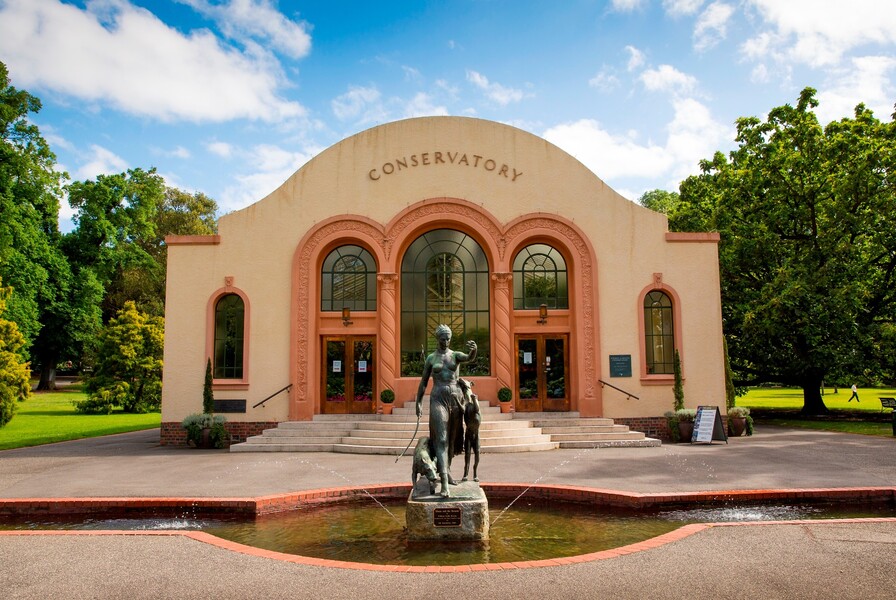
The Conservatory provides a temperature-controlled, enclosed garden experience. The paths are circular and predictable. Cooks’ Cottage offers a contained historical space with clear entry and exit points.
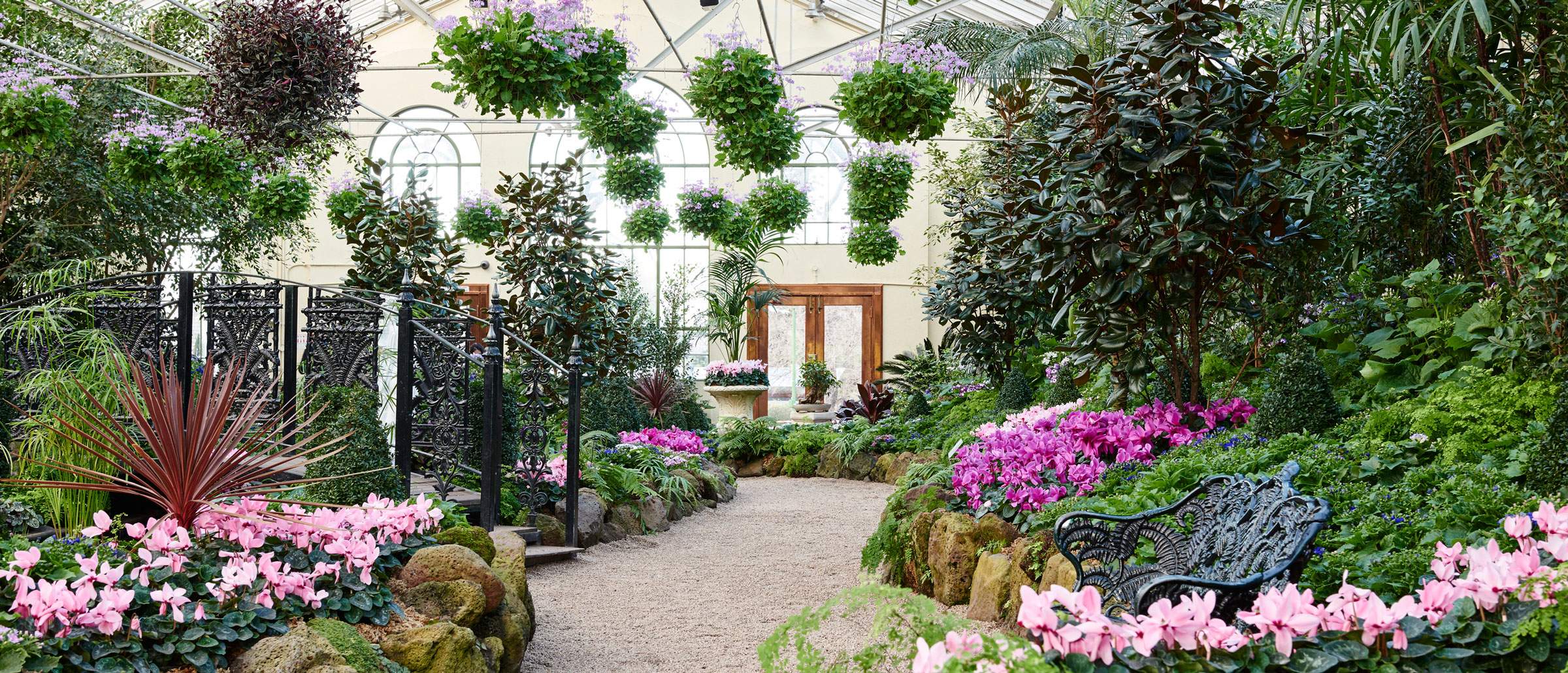
Why it works: Enclosed garden space means no risk of children wandering into traffic. The circular path design allows for repetitive, calming movement patterns.
Photos
Best time
Early morning or late afternoon. The Conservatory opens at 9am.
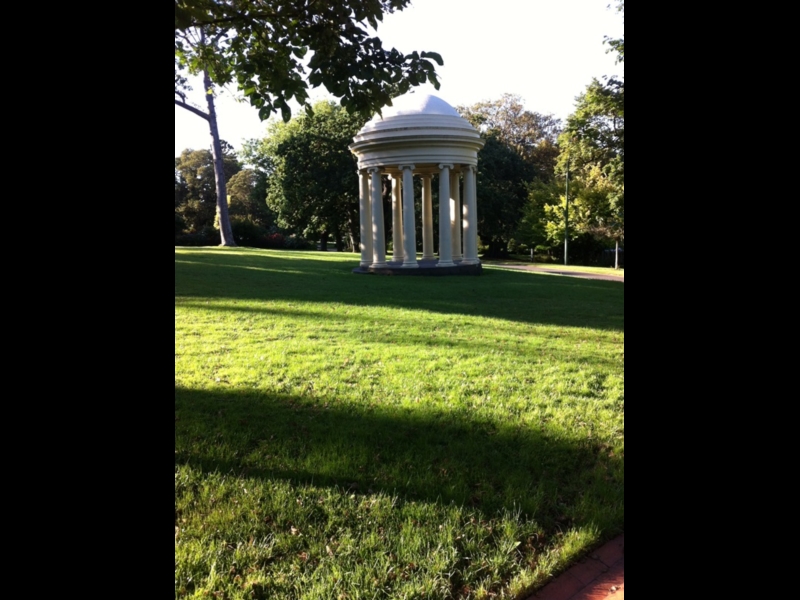
Victorian-era gardens with wide, predictable pathways and plenty of open lawn for movement. The fountain provides a central auditory anchor point. Tree-lined avenues create natural sensory boundaries.
Why it works: The grid-like path layout creates predictable navigation. The central fountain acts as an auditory landmark for orientation. Open sight lines reduce anxiety about losing track of children.
Photos
Best time
Weekday mornings. Avoid Saturdays during the market.
Sensory fit
Grid paths for predictability, fountain sounds, open sight lines.
A working farm in the city with predictable animal routines. The riverside location provides natural water sounds. The farm has clear boundaries and a single entry/exit point.
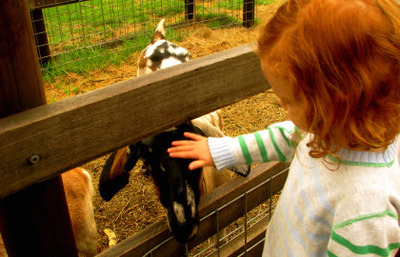
Why it works: Animal interactions follow predictable patterns (feeding times, milking). The farm environment naturally slows everyone’s pace. Riverside walking track for movement breaks.
Photos
Best time
Tuesday or Thursday mornings for cow milking at 10am.
The Butterfly House provides a humid, quiet, visually stunning enclosed environment. The Australian Bush area has wide paths and predictable native animals. The zoo offers specific sensory-friendly maps at entry.
Why it works: The Butterfly House is naturally regulating—humid, quiet, slow-moving visuals. The zoo’s single-loop design prevents decision fatigue about which way to go.
Photos
Best time
First entry at 9am. Members get early entry at 8am on weekends.
Sensory fit
Butterfly House regulation, single-loop path, sensory maps available.
Location
Elliott Avenue, Parkville
butterfly housesingle loop pathsensory mapsmembers early entry